What does “How AI, Automation, and GEO Are Driving Marketing Growth” mean for a growing B2B brand?
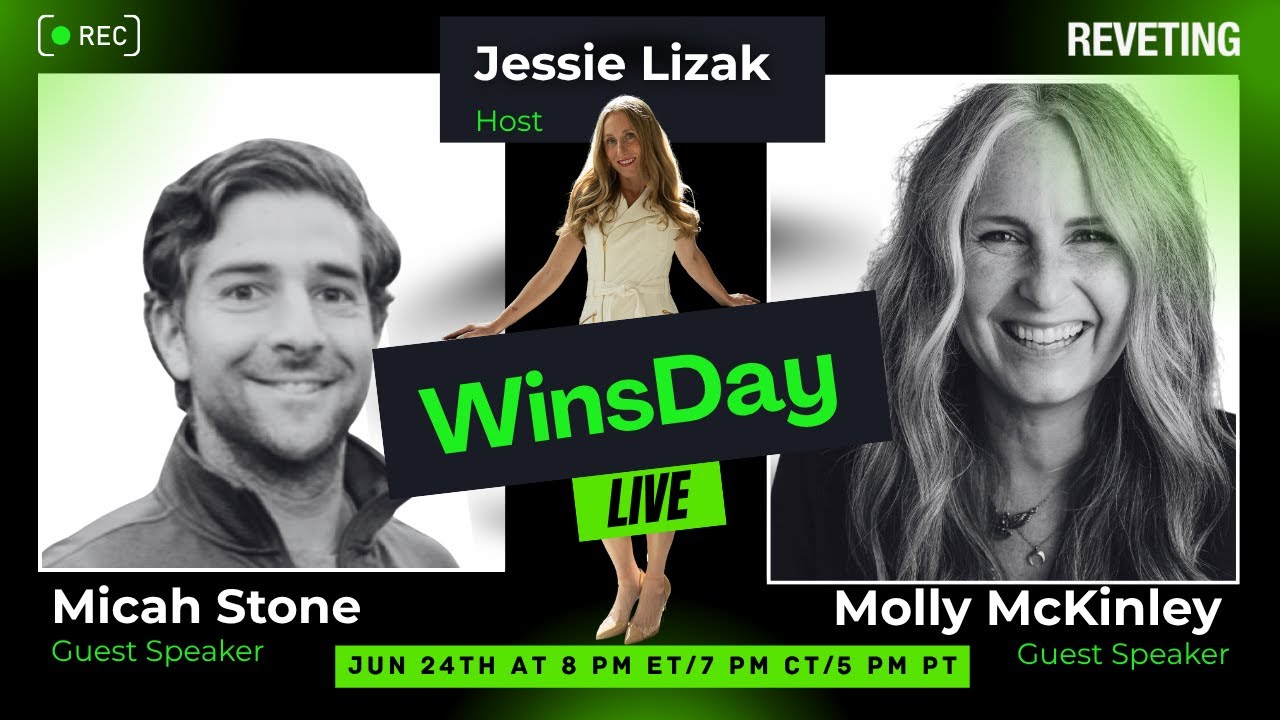
In this episode of the Winsday Podcast, host Jessie Lizak sits down with Micah Stone, CEO of Open Signal, and Molly McKinley, Owner of Redtail Creative, for a conversation about how today's marketing leaders are adapting to rapid changes in technology, search, and customer engagement. Drawing from their experience helping businesses grow through strategic marketing initiatives, Micah and Molly share practical insights on what is working right now, how AI is changing execution, and where businesses should focus their efforts to stay competitive.
The discussion explores the marketing tactics that are driving measurable growth, why agencies and brands are beginning to add GEO (Generative Engine Optimization) as a service line, and how teams can effectively use AI to support marketing execution without sacrificing quality. Micah and Molly also address one of the biggest challenges facing businesses today: finding the right balance between automation and human-driven sales efforts. Whether you're a business owner, marketer, agency leader, or sales professional, this episode offers actionable strategies for leveraging new technology while maintaining the human connections that ultimately drive results.
- Marketing Tactics That Drive Growth
- Adding GEO as a Service Line
- Using AI to Support Marketing Execution
- Balancing Automation and Human Sales
What the guests said
These are direct excerpts from the episode transcript. Punctuation, capitalization, filler repetitions, and obvious transcription artifacts were lightly cleaned for readability.
“I think I I agree as well. I mean, I think, you know, when I talk about speed and iteration and testing, I don't I I am like, do not spam people. I I strongly agree that it's important to um you know, make the person feel like they're being cared for.”
Official episode notes
In this episode of the Winsday Podcast, host Jessie Lizak sits down with Micah Stone, CEO of Open Signal, and Molly McKinley, Owner of Redtail Creative, for a conversation about how today's marketing leaders are adapting to rapid changes in technology, search, and customer engagement. Drawing from their experience helping businesses grow through strategic marketing initiatives, Micah and Molly share practical insights on what is working right now, how AI is changing execution, and where businesses should focus their efforts to stay competitive.
The discussion explores the marketing tactics that are driving measurable growth, why agencies and brands are beginning to add GEO (Generative Engine Optimization) as a service line, and how teams can effectively use AI to support marketing execution without sacrificing quality. Micah and Molly also address one of the biggest challenges facing businesses today: finding the right balance between automation and human-driven sales efforts. Whether you're a business owner, marketer, agency leader, or sales professional, this episode offers actionable strategies for leveraging new technology while maintaining the human connections that ultimately drive results.
Main Topics Covered
- Marketing Tactics That Drive Growth
- Adding GEO as a Service Line
- Using AI to Support Marketing Execution
- Balancing Automation and Human Sales
Connect with Micah Stone
- Website: https://opensignal.co
- LinkedIn: https://www.linkedin.com/in/micah-stone/
- Open Signal LinkedIn: https://www.linkedin.com/company/opensignalco/
Connect with Molly McKinley
- Website: https://www.redtailcreative.com
- LinkedIn: https://www.linkedin.com/in/molly-mckinley-456760/
- Retail Creative LinkedIn: https://www.linkedin.com/company/redtail-creative/
Follow Reveting to stay updated on upcoming episodes
- Website: https://www.reveting.com/
- LinkedIn: https://www.linkedin.com/company/whiskey-winsday/
- YouTube: https://www.youtube.com/@whiskeywinsday
Connect with Jessie Lizak
How does one episode become a podcast and short-form video library?
The recording is only the starting point. A single WinsDay-style conversation can become a podcast episode, a full YouTube video, several short-form clips, written show notes, quote-led social posts, an email, and internal sales material. The strongest repurposing does not cut random moments simply because they are short. It identifies complete ideas that answer a buyer question, challenge an assumption, or offer a practical next step.
This approach gives a team more value from the time already spent recording. It also creates repetition without duplication: the same core expertise can appear as audio for podcast listeners, video for YouTube viewers, concise clips for social feeds, and written context for people searching on Google or asking an AI tool. Each format supports a different discovery habit while reinforcing the same positioning.
What should brands publish on LinkedIn and YouTube after the show?
LinkedIn and YouTube serve different roles in an expert-led content system. LinkedIn is useful for timely ideas, direct conversation, professional relationships, and distribution through the people attached to a brand. YouTube gives long-form video and searchable clips a longer shelf life. A practical publishing plan uses both: LinkedIn to create dialogue around the episode and YouTube to build a structured library of topics that buyers can discover later.
Instead of posting the same caption everywhere, teams should package the episode around the intent of each platform. A LinkedIn post can frame a strong point of view and invite informed discussion. A YouTube title and description should state the problem, audience, and outcome in plain language. Short clips need an immediate premise, readable captions, and enough context to stand alone. Consistent publishing matters, but clarity matters more.
How does episode content improve SEO and AI-search visibility?
Search visibility now includes traditional results and answers assembled by large language models. Both systems benefit from content that names the subject clearly, explains relationships between ideas, identifies the people and organizations involved, and provides complete answers in accessible language. Detailed episode pages can support that work when they include an accurate title, publication date, descriptive headings, original show notes, podcast metadata, internal links, and structured data.
The goal is not to repeat keywords unnaturally. It is to make the page genuinely useful for someone researching Marketing Tactics That Drive Growth, Adding GEO as a Service Line, or a production partner who can help turn expertise into content. Specific examples, well-labeled sections, consistent entity information, and source links give search systems more context. They also help human readers decide whether the conversation and Reveting’s services are relevant to their needs.