What does “Turning Buyer Attention Into Action” mean for a growing B2B brand?
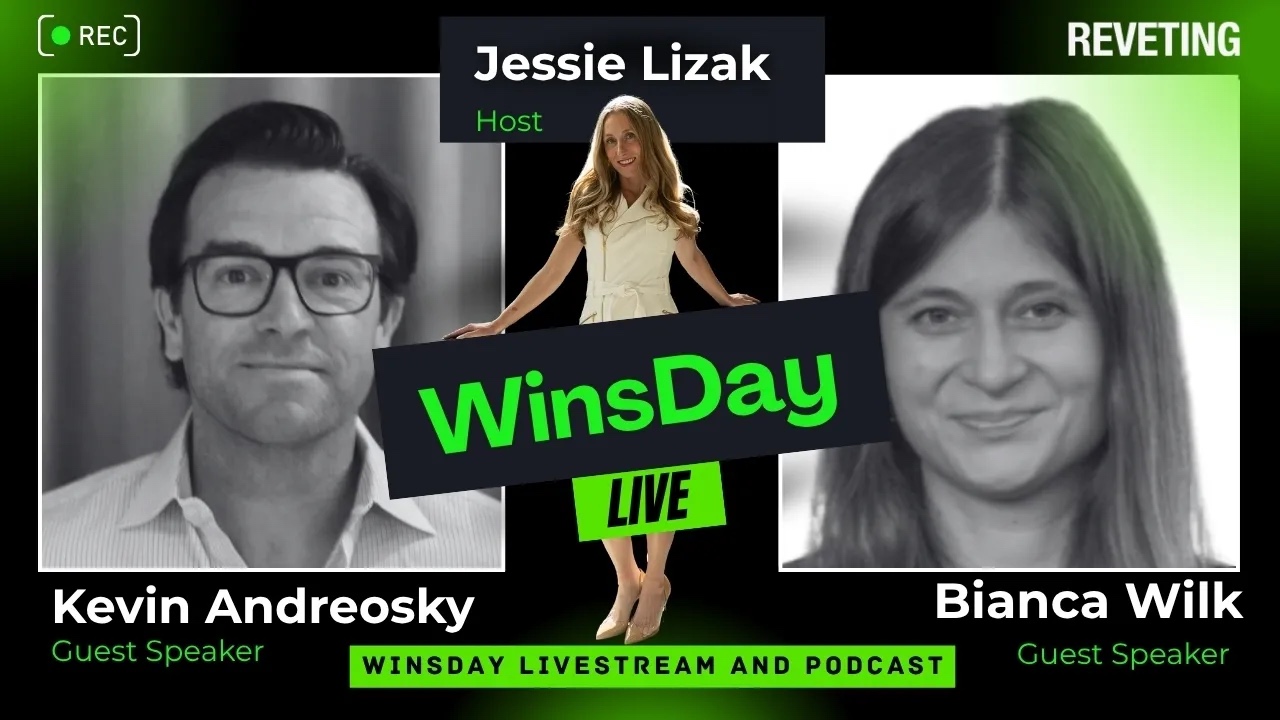
In this episode of the Winsday Podcast, host Jessie Lizak sits down with Kevin A., Enterprise Sales Expert, and Bianca Wilk, Senior Product Marketing Manager at Chili Piper, to discuss how AI is transforming the buyer's journey and what sales and marketing teams must do to stay ahead. Drawing from their experience in enterprise sales and product marketing, Kevin and Bianca share practical strategies for increasing visibility, improving website performance, and building stronger relationships with today's increasingly self-directed buyers.
The conversation explores why businesses need to be found beyond traditional SEO as AI-powered search continues to evolve, how websites can be optimized to convert AI-assisted buyers into customers, and why sales teams need new strategies to close deals as buying cycles become longer and more complex. Kevin and Bianca also discuss the power of building engaged communities that become a brand's most valuable marketing channel, creating trust and advocacy that extend far beyond traditional advertising. Whether you're a marketer, sales leader, founder, or business owner, this episode offers actionable insights for winning in the next generation of digital commerce.
What the guests said
These are direct excerpts from the episode transcript. Punctuation, capitalization, filler repetitions, and obvious transcription artifacts were lightly cleaned for readability.
“If you don't show up, what sources show up there? And that's where you want to focus. So you put a plan around that. After that, it's really having an FAQ in real language, not using AI. And then the third-party referrals. So your reviews, doing podcasts like this, that information really weights in the AI algorithm. So that's going to help you when people are searching for whatever company. And it's all about having a clear brand.”
“You just need to figure out what your current process is, evaluate what is happening on your website right now, and find the gaps and the potential leaks. With tools right now, it's so much easier to identify your ideal accounts. There are tools around account identification where you can actually know when someone in your ICP, especially maybe an enterprise lead, is on your website.”
Official episode notes
In this episode of the Winsday Podcast, host Jessie Lizak sits down with Kevin A., Enterprise Sales Expert, and Bianca Wilk, Senior Product Marketing Manager at Chili Piper, to discuss how AI is transforming the buyer's journey and what sales and marketing teams must do to stay ahead. Drawing from their experience in enterprise sales and product marketing, Kevin and Bianca share practical strategies for increasing visibility, improving website performance, and building stronger relationships with today's increasingly self-directed buyers.
The conversation explores why businesses need to be found beyond traditional SEO as AI-powered search continues to evolve, how websites can be optimized to convert AI-assisted buyers into customers, and why sales teams need new strategies to close deals as buying cycles become longer and more complex. Kevin and Bianca also discuss the power of building engaged communities that become a brand's most valuable marketing channel, creating trust and advocacy that extend far beyond traditional advertising. Whether you're a marketer, sales leader, founder, or business owner, this episode offers actionable insights for winning in the next generation of digital commerce.
Main Topics Covered
Being Found Beyond Traditional SEO
Websites That Convert AI Buyers
Closing Deals When Buyers Delay
Building Communities That Become Your Best Marketing Channel
Connect with Kevin A.
LinkedIn: https://www.linkedin.com/in/fromkevin/
Connect with Bianca Wilk
Website: http://www.chilipiper.com/
LinkedIn: https://www.linkedin.com/in/biancatwilk/
Chili Piper LinkedIn: https://www.linkedin.com/company/chilipiper/
Follow Reveting to stay updated on upcoming episodes
Website: https://www.reveting.com/
LinkedIn: https://www.linkedin.com/company/whiskey-winsday/
YouTube: https://www.youtube.com/@whiskeywinsday
Connect with Jessie Lizak
What should brands publish on LinkedIn and YouTube after the show?
LinkedIn and YouTube serve different roles in an expert-led content system. LinkedIn is useful for timely ideas, direct conversation, professional relationships, and distribution through the people attached to a brand. YouTube gives long-form video and searchable clips a longer shelf life. A practical publishing plan uses both: LinkedIn to create dialogue around the episode and YouTube to build a structured library of topics that buyers can discover later.
Instead of posting the same caption everywhere, teams should package the episode around the intent of each platform. A LinkedIn post can frame a strong point of view and invite informed discussion. A YouTube title and description should state the problem, audience, and outcome in plain language. Short clips need an immediate premise, readable captions, and enough context to stand alone. Consistent publishing matters, but clarity matters more.
How does episode content improve SEO and AI-search visibility?
Search visibility now includes traditional results and answers assembled by large language models. Both systems benefit from content that names the subject clearly, explains relationships between ideas, identifies the people and organizations involved, and provides complete answers in accessible language. Detailed episode pages can support that work when they include an accurate title, publication date, descriptive headings, original show notes, podcast metadata, internal links, and structured data.
The goal is not to repeat keywords unnaturally. It is to make the page genuinely useful for someone researching Turning Buyer Attention Into Action, building trust with the right audience, or a production partner who can help turn expertise into content. Specific examples, well-labeled sections, consistent entity information, and source links give search systems more context. They also help human readers decide whether the conversation and Reveting’s services are relevant to their needs.