What does “How Modern Brands Win With SEO, Strategy, and Creativity” mean for a growing B2B brand?
Modern brands are not winning because they post more.
They’re winning because their SEO, product strategy, and positioning actually work together.
What the guests said
These are direct excerpts from the episode transcript. Punctuation, capitalization, filler repetitions, and obvious transcription artifacts were lightly cleaned for readability.
“Because he said, you know, I'm a clothing designer. How is that really helping people? And I have so many women that I work with that say, oh, you know, I sell jewelry or I sell makeup or like how is this really lifechanging?”
Official episode notes
Modern brands are not winning because they post more.
They’re winning because their SEO, product strategy, and positioning actually work together.
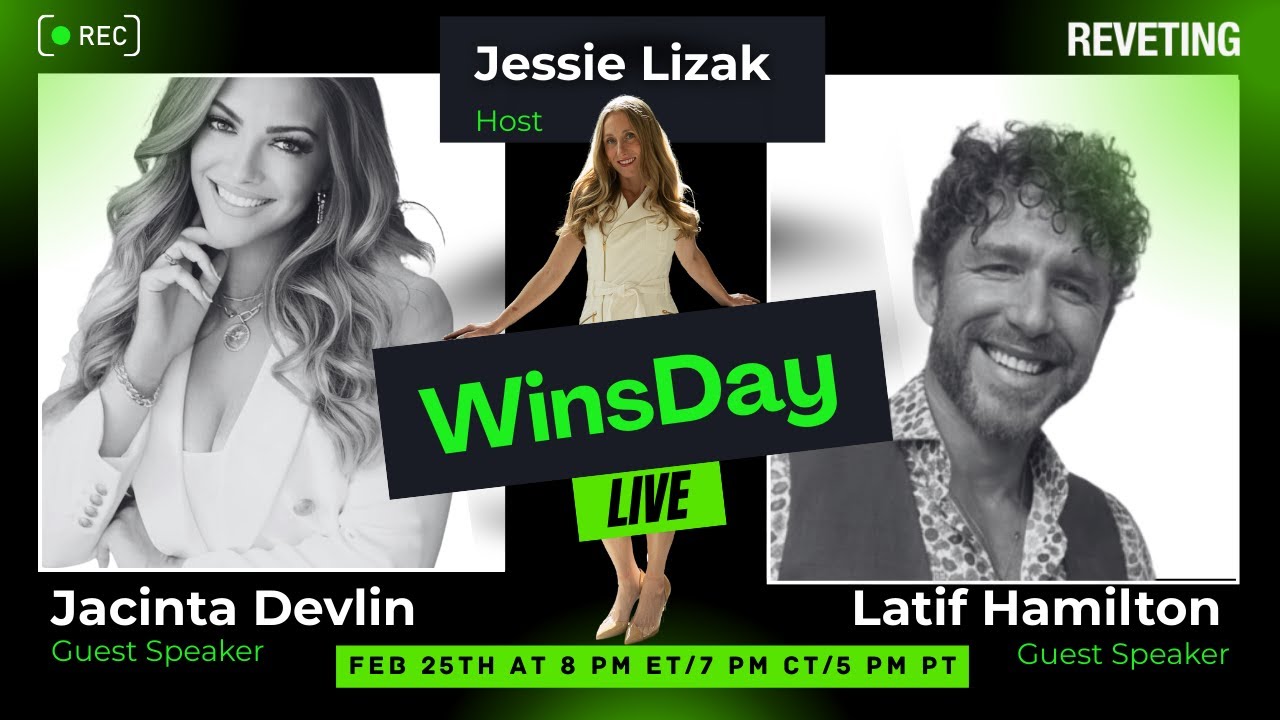
On this episode, Jessie Lizak is joined by two founders who understand how to turn creativity and strategy into real revenue.
Jacinta Devlin, CEO of Devlin Consulting Group, is a digital marketing strategist and multi-8-figure business consultant who has helped thousands of women entrepreneurs go from idea to income.
She specializes in brand positioning, sales systems that convert, email marketing, and building profitable online businesses without chaos. Her work focuses on launching with clarity, strong messaging, and structured growth from day one.
Latif Hamilton is the Creative CEO of SpiritHoods, a purpose driven fashion brand that has generated over $55 million in revenue.
He has built an iconic ecommerce brand rooted in sustainability, storytelling, and product innovation. Through SpiritHoods and The Growth Operative consultancy, he helps businesses align marketing and product strategy to unlock long term growth and profitability.
Together, they’ll explore:
1. Elevating Your Online Brand for 2026
2. How SEO and Product Strategy Align
3. Building a Professional Brand That Attracts Clients
4. Creative Marketing Without Discounts
If you’re building a brand in ecommerce, coaching, consulting, or B2B and want stronger visibility, better conversions, and sustainable growth, this conversation will give you practical insight you can apply immediately.
Join us live and bring your questions.
How can Reveting help?
Reveting helps expert-led B2B brands turn conversations into consistent, multi-channel content. The work can include livestream planning and production, podcast editing and publishing, short-form video, show notes, and social content for LinkedIn and YouTube. The objective is a repeatable system that captures the client’s real expertise without requiring the client to manage every production detail.
If this episode reflects a conversation your company should be leading, the next step is to map the show concept, audience, distribution channels, and repurposing plan before recording. That creates a stronger brief for the host, guests, production team, editors, and social team—and gives every finished asset a clear job to do.
Why does this conversation matter to an ideal Reveting client?
Ideal Reveting clients usually have valuable knowledge but limited time, production capacity, or publishing consistency. They may know what they want to be known for, yet struggle to turn that expertise into a reliable show, podcast, video series, or executive content program. The ideas in this episode are useful because they can become more than a one-time discussion: they can inform positioning, interview questions, sales enablement, customer education, and future content themes.
For a B2B buyer, relevance and trust often matter before volume. A clear conversation about How Modern Brands Win With SEO, Strategy, and Creativity can demonstrate judgment in a way that a generic promotional post cannot. When the content is organized around real questions and useful answers, it becomes easier for prospective clients, search engines, and large language models to understand who the company helps, what it knows, and when its services are a fit.
How can a livestream establish authority before a sales conversation?
A well-produced livestream lets prospects see how a founder or executive thinks in real time. Viewers can hear the nuance behind an opinion, watch the host respond to guests, and decide whether the people behind the brand understand their world. That kind of evidence is difficult to reproduce with polished claims alone. It is one reason expert-led livestreaming can support trust, demand generation, partnerships, recruiting, and sales at the same time.
Professional livestream production also protects the audience experience. The work includes show planning, guest coordination, run-of-show development, branded scenes, audio and video checks, live moderation, platform distribution, and post-show follow-up. Outsourcing those details allows the host to focus on the conversation while a production partner keeps the broadcast consistent and usable for everything that follows.
How does one episode become a podcast and short-form video library?
The recording is only the starting point. A single WinsDay-style conversation can become a podcast episode, a full YouTube video, several short-form clips, written show notes, quote-led social posts, an email, and internal sales material. The strongest repurposing does not cut random moments simply because they are short. It identifies complete ideas that answer a buyer question, challenge an assumption, or offer a practical next step.
This approach gives a team more value from the time already spent recording. It also creates repetition without duplication: the same core expertise can appear as audio for podcast listeners, video for YouTube viewers, concise clips for social feeds, and written context for people searching on Google or asking an AI tool. Each format supports a different discovery habit while reinforcing the same positioning.
What should brands publish on LinkedIn and YouTube after the show?
LinkedIn and YouTube serve different roles in an expert-led content system. LinkedIn is useful for timely ideas, direct conversation, professional relationships, and distribution through the people attached to a brand. YouTube gives long-form video and searchable clips a longer shelf life. A practical publishing plan uses both: LinkedIn to create dialogue around the episode and YouTube to build a structured library of topics that buyers can discover later.
Instead of posting the same caption everywhere, teams should package the episode around the intent of each platform. A LinkedIn post can frame a strong point of view and invite informed discussion. A YouTube title and description should state the problem, audience, and outcome in plain language. Short clips need an immediate premise, readable captions, and enough context to stand alone. Consistent publishing matters, but clarity matters more.