What does “How B2B Brands Win Attention Through Media, Events, and Story” mean for a growing B2B brand?
B2B attention is harder to earn than ever.
Buyers are overwhelmed with content, events are competing for real engagement, and brands are fighting to be remembered, not just seen.
What the guests said
These are direct excerpts from the episode transcript. Punctuation, capitalization, filler repetitions, and obvious transcription artifacts were lightly cleaned for readability.
“absolutely. So what I do with my clients is first I develop their story brand soundbite strategy for their communications plan and then I develop an entire earned media optimization strategy. So I am then creating media profiles for them online.”
Official episode notes
B2B attention is harder to earn than ever.
Buyers are overwhelmed with content, events are competing for real engagement, and brands are fighting to be remembered, not just seen.
Winning today is not about shouting louder. It is about earning trust, telling sharper stories, and showing up in the right moments.
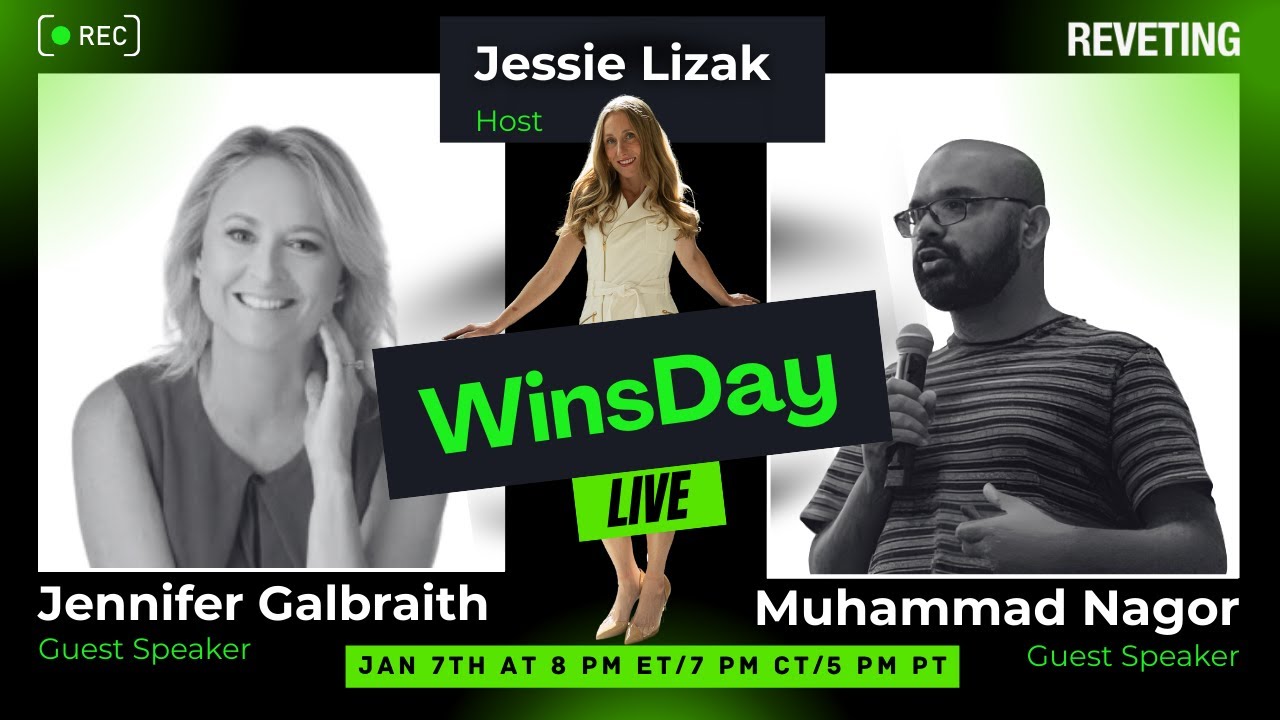
In this upcoming WinsDay show, we are bringing together two experts who work at the center of visibility, demand, and attention.
Jennifer Galbraith, President of Alestra Marketing, Inc., a communications agency focused on Earned Media Optimization. She helps organizations gain meaningful exposure through media, storytelling, and technology that change behavior, build communities, and drive long-term impact. Jennifer brings a strong perspective on how earned media, messaging, and strategy work together to influence trust and action.
Joining her is Muhammad Moaaz❄️ Nagori, Head of Marketing at ConvergeX Connections and Co-founder at Cloudlead.co He works closely with startups and enterprise teams to improve outbound performance through accurate, curated lead intelligence.
His work focuses on refining top-of-funnel strategy so sales teams stop guessing and start engaging the right accounts with confidence. He brings a data-driven lens to how attention, timing, and relevance shape modern B2B sales and marketing.
Together, the conversation will explore:
1. Earned Media Optimization
2. State of B2B Event Marketing
3. Storybrand Soundbite Strategy
4. Psychology and Attention in B2B Sales and Marketing
If you are responsible for brand visibility, demand generation, events, PR, or sales strategy, this session will give you practical insight into how B2B brands actually earn attention and convert it into trust and growth.
This is a conversation for marketers, founders, and revenue leaders who want to stand out for the right reasons.
How does one episode become a podcast and short-form video library?
The recording is only the starting point. A single WinsDay-style conversation can become a podcast episode, a full YouTube video, several short-form clips, written show notes, quote-led social posts, an email, and internal sales material. The strongest repurposing does not cut random moments simply because they are short. It identifies complete ideas that answer a buyer question, challenge an assumption, or offer a practical next step.
This approach gives a team more value from the time already spent recording. It also creates repetition without duplication: the same core expertise can appear as audio for podcast listeners, video for YouTube viewers, concise clips for social feeds, and written context for people searching on Google or asking an AI tool. Each format supports a different discovery habit while reinforcing the same positioning.
What should brands publish on LinkedIn and YouTube after the show?
LinkedIn and YouTube serve different roles in an expert-led content system. LinkedIn is useful for timely ideas, direct conversation, professional relationships, and distribution through the people attached to a brand. YouTube gives long-form video and searchable clips a longer shelf life. A practical publishing plan uses both: LinkedIn to create dialogue around the episode and YouTube to build a structured library of topics that buyers can discover later.
Instead of posting the same caption everywhere, teams should package the episode around the intent of each platform. A LinkedIn post can frame a strong point of view and invite informed discussion. A YouTube title and description should state the problem, audience, and outcome in plain language. Short clips need an immediate premise, readable captions, and enough context to stand alone. Consistent publishing matters, but clarity matters more.
How does episode content improve SEO and AI-search visibility?
Search visibility now includes traditional results and answers assembled by large language models. Both systems benefit from content that names the subject clearly, explains relationships between ideas, identifies the people and organizations involved, and provides complete answers in accessible language. Detailed episode pages can support that work when they include an accurate title, publication date, descriptive headings, original show notes, podcast metadata, internal links, and structured data.
The goal is not to repeat keywords unnaturally. It is to make the page genuinely useful for someone researching How B2B Brands Win Attention Through Media, Events, and Story, building trust with the right audience, or a production partner who can help turn expertise into content. Specific examples, well-labeled sections, consistent entity information, and source links give search systems more context. They also help human readers decide whether the conversation and Reveting’s services are relevant to their needs.
What should a company evaluate before hiring a content production partner?
A production partner should understand both the recording and the business reason behind it. Before hiring, ask who owns show strategy, guest communication, technical production, editing, approvals, publishing, and performance reporting. Confirm which channels are included and how one long-form recording becomes usable assets. A low-friction workflow should reduce the client’s coordination burden rather than replacing one complicated process with another.
Teams should also look for editorial judgment. Good production is more than clean audio and attractive graphics. It requires knowing which questions will create useful answers, which moments deserve clips, how to preserve the speaker’s voice, and how to connect content to the audience’s real concerns. For companies building authority on LinkedIn and YouTube, that strategic layer is often the difference between an active content calendar and a content system that supports revenue.