What does “Aligning B2B Sales & Marketing Efforts to Crush Your Content Game with Ross Simmonds” mean for a growing B2B brand?
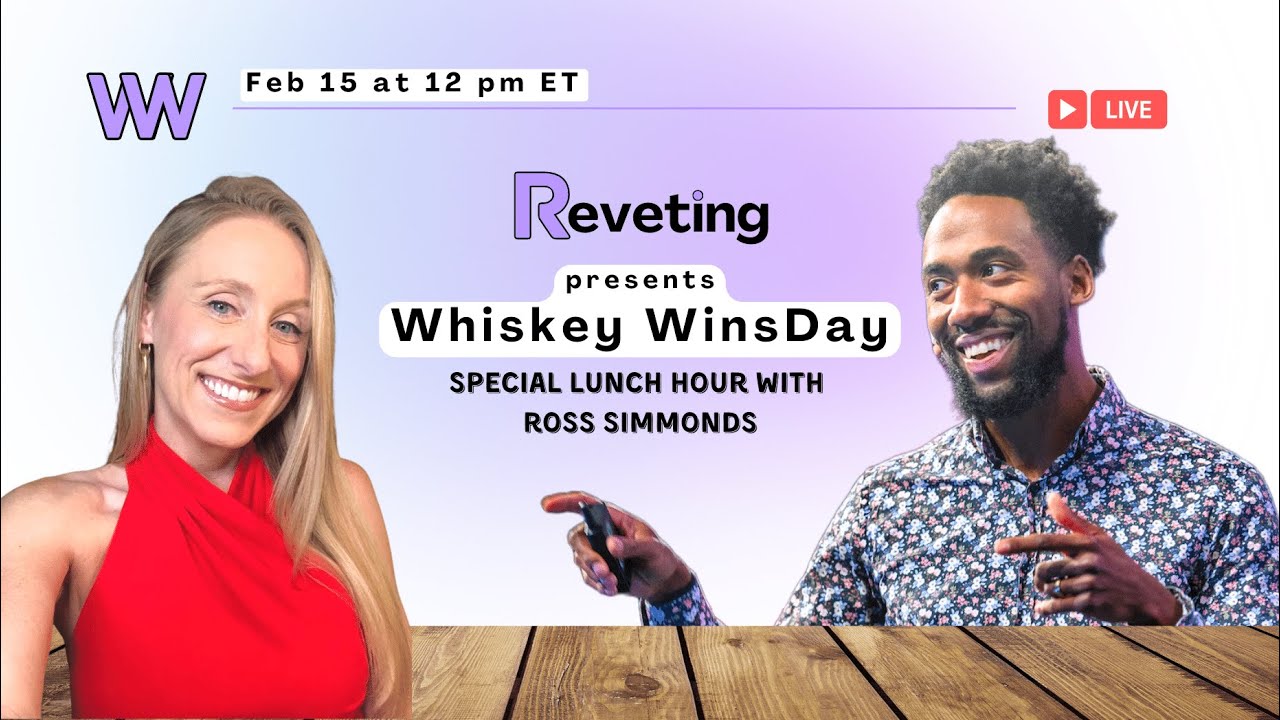
As a successful entrepreneur and marketing strategist, Ross Simmonds specializes in helping B2B and SaaS brands achieve new levels of organic growth through the use of content marketing, SEO, and technology. With the help of his team at Foundation Marketing, Ross has helped various software brands like Canva, Procore, Unbounce, Jobber, Snowflake, Enboarder and more to build powerful content marketing engines that drive millions of visits annually, establish a content culture that stands out from the competition and generate over $110M worth of new business. Ross is the founder of Foundation Marketing, a B2B content marketing agency that leverages data and creativity to support the growth of ambitious software brands worldwide. He is also well-known for coining the phrase "Create once. Distribute forever" as a leading expert in content distribution. He has established several other businesses, including Hustle & Grind, an eCommerce brand that speaks to the modern entrepreneur. Ross has invested in a number of SaaS startups and serves on the boards of non-profit organizations like the Boys & Girls Club of Preston. He is frequently invited to speak at global digital marketing conferences and is the host of the podcast "Create Like The Greats", which explores some of the greatest creations in history and now he's coming on WW! You won't want to miss this special lunch hour edition!
If you enjoyed the show, consider tuning in to the weekly live show over on LinkedIn: https://www.linkedin.com/company/whiskey-winsday/
What the guests said
These are direct excerpts from the episode transcript. Punctuation, capitalization, filler repetitions, and obvious transcription artifacts were lightly cleaned for readability.
“data as we can from him so we can learn from him so I put five topics today we may not get to them all but we'll try so the first two topics how to move the sales needle with content all right so we always say the best marketers are sales people and the best sales people are marketers because we all have to learn the same”
Official episode notes
As a successful entrepreneur and marketing strategist, Ross Simmonds specializes in helping B2B and SaaS brands achieve new levels of organic growth through the use of content marketing, SEO, and technology. With the help of his team at Foundation Marketing, Ross has helped various software brands like Canva, Procore, Unbounce, Jobber, Snowflake, Enboarder and more to build powerful content marketing engines that drive millions of visits annually, establish a content culture that stands out from the competition and generate over $110M worth of new business. Ross is the founder of Foundation Marketing, a B2B content marketing agency that leverages data and creativity to support the growth of ambitious software brands worldwide. He is also well-known for coining the phrase "Create once. Distribute forever" as a leading expert in content distribution. He has established several other businesses, including Hustle & Grind, an eCommerce brand that speaks to the modern entrepreneur. Ross has invested in a number of SaaS startups and serves on the boards of non-profit organizations like the Boys & Girls Club of Preston. He is frequently invited to speak at global digital marketing conferences and is the host of the podcast "Create Like The Greats", which explores some of the greatest creations in history and now he's coming on WW! You won't want to miss this special lunch hour edition!
If you enjoyed the show, consider tuning in to the weekly live show over on LinkedIn: https://www.linkedin.com/company/whiskey-winsday/
Connect with us on your favorite social media
- Website: https://reveting.com
- LinkedIn: https://www.linkedin.com/company/whiskey-winsday/
- YouTube: https://www.youtube.com/@whiskeywinsday
- Twitter: https://twitter.com/Reveting
- Instagram: https://www.instagram.com/reveting_ww/
- Facebook: https://www.facebook.com/Reveting
- Twitch: https://www.twitch.tv/revetingww
How does one episode become a podcast and short-form video library?
The recording is only the starting point. A single WinsDay-style conversation can become a podcast episode, a full YouTube video, several short-form clips, written show notes, quote-led social posts, an email, and internal sales material. The strongest repurposing does not cut random moments simply because they are short. It identifies complete ideas that answer a buyer question, challenge an assumption, or offer a practical next step.
This approach gives a team more value from the time already spent recording. It also creates repetition without duplication: the same core expertise can appear as audio for podcast listeners, video for YouTube viewers, concise clips for social feeds, and written context for people searching on Google or asking an AI tool. Each format supports a different discovery habit while reinforcing the same positioning.
What should brands publish on LinkedIn and YouTube after the show?
LinkedIn and YouTube serve different roles in an expert-led content system. LinkedIn is useful for timely ideas, direct conversation, professional relationships, and distribution through the people attached to a brand. YouTube gives long-form video and searchable clips a longer shelf life. A practical publishing plan uses both: LinkedIn to create dialogue around the episode and YouTube to build a structured library of topics that buyers can discover later.
Instead of posting the same caption everywhere, teams should package the episode around the intent of each platform. A LinkedIn post can frame a strong point of view and invite informed discussion. A YouTube title and description should state the problem, audience, and outcome in plain language. Short clips need an immediate premise, readable captions, and enough context to stand alone. Consistent publishing matters, but clarity matters more.
How does episode content improve SEO and AI-search visibility?
Search visibility now includes traditional results and answers assembled by large language models. Both systems benefit from content that names the subject clearly, explains relationships between ideas, identifies the people and organizations involved, and provides complete answers in accessible language. Detailed episode pages can support that work when they include an accurate title, publication date, descriptive headings, original show notes, podcast metadata, internal links, and structured data.
The goal is not to repeat keywords unnaturally. It is to make the page genuinely useful for someone researching Aligning B2B Sales & Marketing Efforts to Crush Your Content Game with Ross Simmonds, building trust with the right audience, or a production partner who can help turn expertise into content. Specific examples, well-labeled sections, consistent entity information, and source links give search systems more context. They also help human readers decide whether the conversation and Reveting’s services are relevant to their needs.